
Porous Metal Technology
Our porous metal technology delivers engineered materials with controlled porosity—enabling reliable filtration, flow control, and fluid management for demanding applications.

Overview
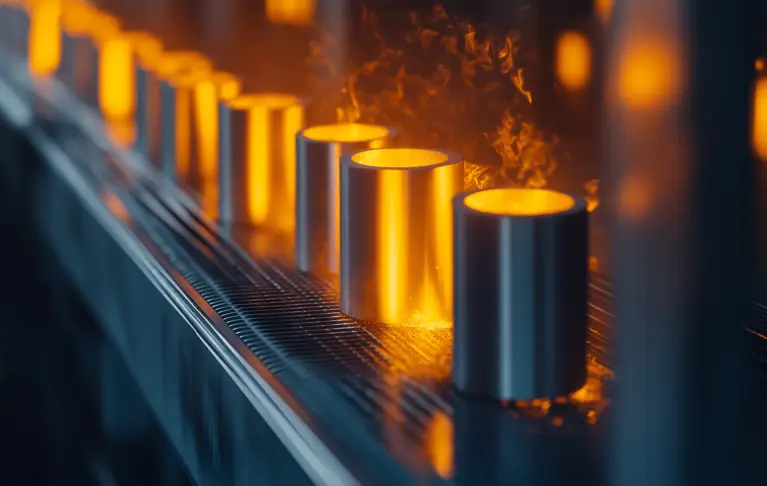
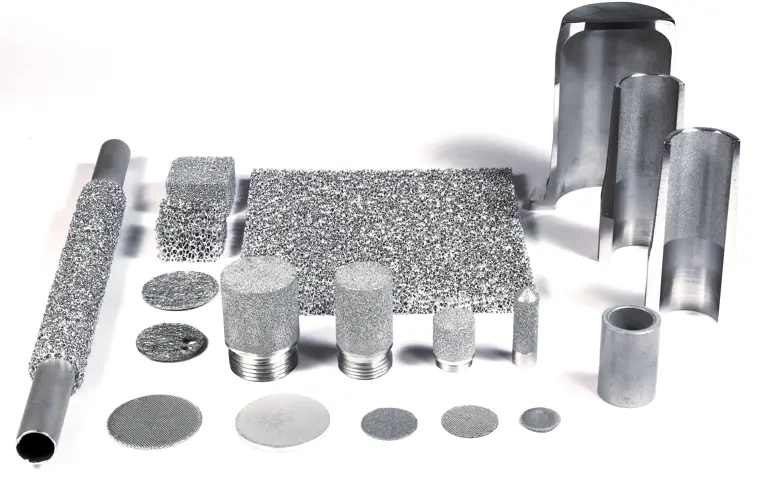
Porous Metal Technology involves creating metal components that contain a network of pores distributed throughout the material. This controlled porosity is achieved through specialized powder processing techniques, allowing for tailored properties such as reduced density, sound dampening, heat and fluid flow management, and biocompatibility. PMT components can be engineered to meet specific performance requirements that conventional dense metal parts cannot, making them ideal for advanced functional applications.
PMT Process Overview
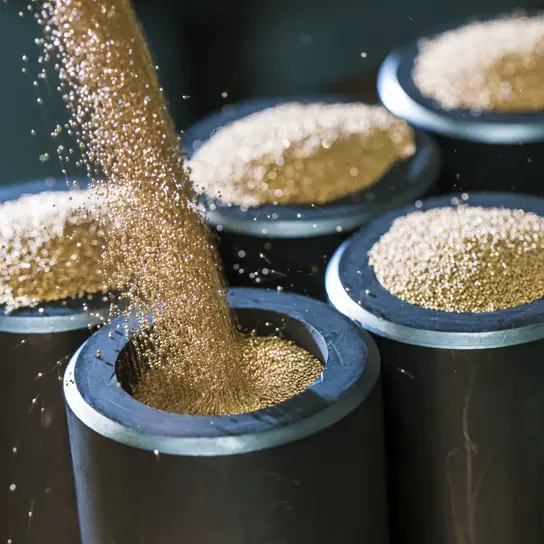
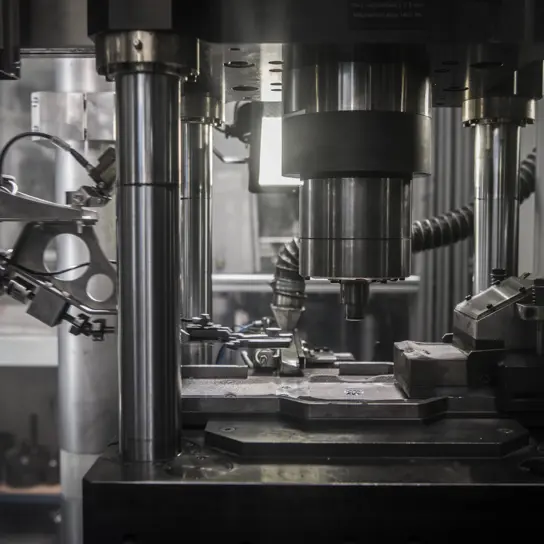
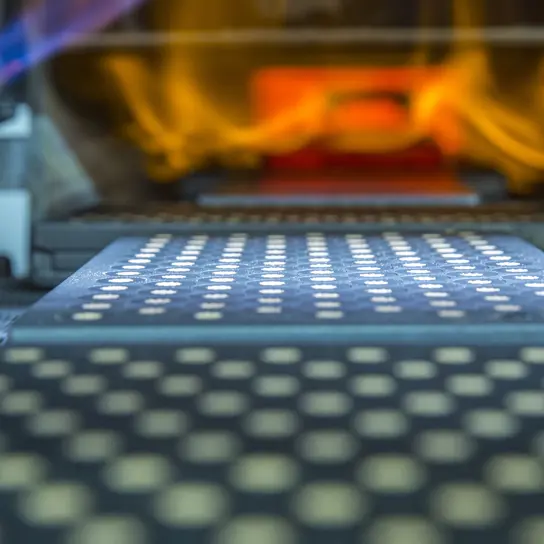
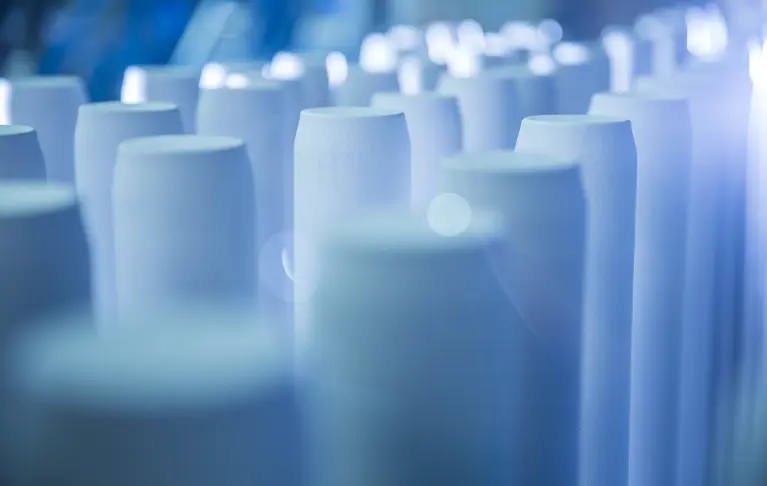
In PMT, metal powders are compacted and sintered to form a rigid, porous structure with controlled permeability and mechanical strength. Pore size, distribution, and density are precisely tailored to meet specific application needs. Secondary treatments such as impregnation, coating, or machining further enhance performance, durability, and chemical resistance.
The foundation of high-quality porous metal components begins with the careful selection of raw materials. The choice of metal powders determines the final component’s mechanical strength, porosity, and corrosion resistance.
Materials Used:
- Stainless Steel (Standard: 316L)
- Nickel-Based Alloys (Hastelloy®, Inconel®, Monel®)
- Titanium
- Bronze
- Specialty Alloys (Available on Request)
Key Benefits:
- High-temperature resistance up to 950°C
- Corrosion-resistant materials for aggressive chemical environments


PMT Applications
-
Gas Filtration: High-efficiency solutions for filtering hot gases in challenging environments, withstanding temperatures exceeding 750°C.
-
Liquid Filtration: Custom self-supporting filter elements with filtration precision as fine as 0.1µm, delivering optimal performance and extended operational life.
-
Sparging & Gas Diffusion: Engineered porous media maximize gas-liquid contact for mixing, aeration, and reaction efficiency.
-
Fluidization & Bulk Material Handling: Optimized gas distribution for smooth material flow in powder and bulk handling industries.
-
Energy & Chemical Processing: High-performance PMT components support hydrogen production, petrochemical processing, and power generation
Behind the Scenes: How We Manufacture Our Sintered Metal Filters
Go behind the scenes and see the full process — from metal powder to finished porous filter elements with controlled pore size, cleanable media, and repeatable performance.

Porous Metal Technology vs Other Manufacturing Methods
Compared to conventional casting, forging, or machining, PMT offers distinct advantages:
- Enhanced Functionalities: Traditional dense metals cannot easily achieve the combination of lightweight, permeability, and complex internal structures that PMT offers.
- Functional Integration: Porous metals combine multiple functions, such as filtration, gas dispersion, and thermal insulation, in a single component, eliminating the need for multiple parts.
- Material and Energy Savings: By optimizing material usage and integrating multiple functions into one part, PMT reduces waste and energy consumption over the component’s lifecycle.
- Durability & Resistance: Sintered porous metals withstand high temperatures, corrosive environments, and mechanical stress, outperforming conventional materials.
Porous Transport Layers for PEM Electrolyzers
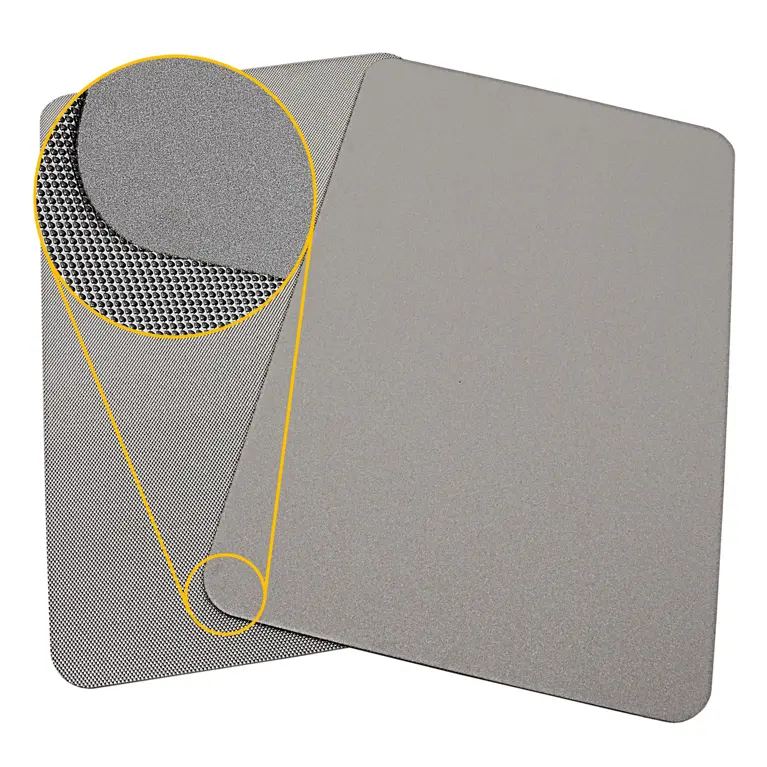
GKN Powder Metallurgy introduces the next-generation of PEM electrolysis technology with our Porous Transport Layers (PTLs). Designed to maximize efficiency, durability, and cost-effectiveness, our PTLs are the ideal solution for hydrogen production systems. Key Benefits of GKN PTLs:
- Improved Efficiency: 30% increase in overall system efficiency
- Fully customizable to your system’s dimensions (up to 1450 mm length, 400 mm width)
- Unique porous titanium structure (Grade 2) for optimal gas and water management
- Multi-layer design for superior cycle stability and easy handling
- 60% lower iridium catalyst usage lowers costs & improves sustainability
- Enhanced membrane contact and improved current-voltage performance